Why Artificial Grass Is the Best Landscaping for Rainy Season

With a strong El Niño on the way, Orange County is gearing up for a much wetter winter than usual. For Laguna Niguel homeowners with natural grass, all that rain brings months of mud, standing water, and patchy grass that won’t bounce back until well into spring, and even then only with extensive repair work. 


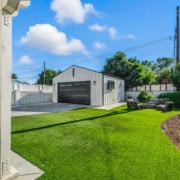
Artificial grass offers a far more dependable solution, keeping your yard clean, green, and usable no matter how much rain comes our way. If you’re looking for a weatherproof, low-maintenance landscaping option, here’s why synthetic turf is the best choice for rainy season and why now is the time to plan your artificial grass installation.

Built to Drain Through the Heaviest Storms

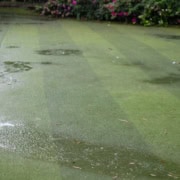
The biggest advantage of artificial turf during rainy season is how efficiently it handles water. High-quality synthetic grass is made with a perforated or permeable backing that lets rain pass straight through the turf’s surface and into a permeable base below. Instead of pooling on the surface the way it does on a saturated lawn, water drains away quickly, so you won’t be left with soggy spots or puddles that linger for days after a storm.

That performance starts well below the surface. During a professional synthetic turf installation, your yard is excavated, graded, and built up with a crushed rock base that allows water to flow away from your home and hardscaping. This also protects your property from the erosion that heavy rain often causes on natural lawns. You won’t see washed-out topsoil, ruts in the yard, or dirt spilling onto your walkways and driveway, since the artificial grass and base hold their shape through storm after storm.

A Cleaner, More Usable Yard All Winter

Natural grass and bare soil turn to mud as soon as the rain starts, and high-traffic areas where kids and pets play are usually the first to go. With artificial grass, there’s no exposed dirt to churn up, so your yard stays clean even during a wet week. That makes a huge difference for families who don’t want to keep the kids cooped up inside every time the ground gets damp.

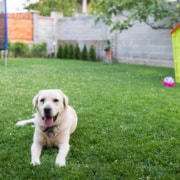
Pet owners especially appreciate this benefit. Instead of wiping muddy paws after every trip outside and scrubbing tracked-in dirt off your floors, your pet returns inside mess-free. Plus, since synthetic turf dries so quickly, your yard is also ready for playtime, barbecues, and afternoons in the sun as soon as the clouds clear, rather than days later once the soil finally firms up.

Green and Low-Maintenance Through Gray Skies

Cooler temperatures and cloudy days often cause natural grass to thin out, go dormant, or develop brown patches. Heavy rain can also drown roots and leave bare areas that need reseeding once the season ends. Artificial grass stays lush and vibrant all year, so your home keeps its curb appeal even when the weather is at its dreariest.

You’ll also save water and effort. It’s surprisingly common for sprinkler systems to keep running on schedule right through a rainstorm, wasting water and oversaturating an already soggy lawn. With artificial turf, there’s no irrigation to manage, no mowing on the rare dry weekend, and no fertilizing to keep the grass alive. Once the rainy season wraps up, a quick rinse and brush will have your lawn looking as good as the day it was installed.

Why Now Is the Time for Your Synthetic Turf Installation

The best time to prepare for rainy season is before it arrives. Scheduling your synthetic turf installation in the fall lets your installer work on dry ground, grade your yard properly, and have everything in place before the first major storm. Waiting until the rain starts can mean delays, soggy soil, and a yard that spends the whole winter looking its worst.

Proper drainage depends on proper installation, which is why it’s so important to work with an experienced artificial turf installer who knows how to prepare the base, slope the yard correctly, and choose the right products for your property. At OC Turf & Putting Greens, we’ve spent years helping Orange County homeowners transform their yards with high-quality artificial grass, and we take pride in installations that look great and perform even better.

Get ahead of this year’s El Niño and enjoy a yard that’s built to handle whatever the season brings. Give us a call at 888-526-2289 or contact us online to request a quote today, and let our team help you plan a beautiful, low-maintenance yard that stays clean and green all year long.
10 FAQs Homeowners Ask About Their New Playground Turf

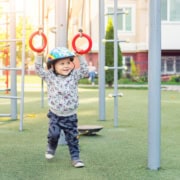
If you’re thinking about adding synthetic playground turf to your Laguna Niguel backyard, you probably have a few questions about how it’ll hold up to a house full of energetic kids. A play area is a big investment, and it helps to know exactly what you’re getting before you move forward. 

At OC Turf & Putting Greens, we’ve helped countless Orange County families create safe, beautiful play spaces, and we’ve noticed the same handful of questions come up again and again, both during the planning stage and after the project is finished. Here are the answers to the 10 FAQs homeowners ask most, so you can be fully informed before committing to new playground turf with confidence.

1. Is Playground Turf Safe for Kids?

Absolutely. The kid-friendly turf we use is made with non-toxic materials, so your children can roll, tumble, and play without you worrying about what they’re coming into contact with. We also exclusively use infill products that are free of heavy metals, making the entire surface a smart and safe choice for families with little ones.

2. Will Playground Turf Soften Falls?

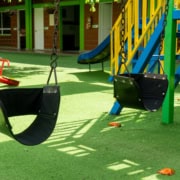
Playground turf has a dense, cushioned feel that’s much gentler than dirt, mulch, or concrete. For further padding and improved safety, we install a shock-absorbing foam pad beneath the synthetic turf that is IPEMA-certified and protects against falls of up to 10 feet. When discussing your project, ask your synthetic turf installer specifically about IPEMA-certified playground turf systems.

3. Does Playground Turf Get Hot in the Sun?

Any outdoor surface warms up under the OC sun, but many modern playground turf products are built with heat-reflective technology that helps cool surface temperatures by up to 15 percent. On especially hot afternoons, a quick rinse with the hose will bring the temperature down even further before playtime.

4. How Easy Is It to Clean Up Spills and Messes on Synthetic Turf?

Juice boxes, popsicles, and sidewalk chalk are no match for artificial turf. Most spills rinse right off with water, and a mild soap solution takes care of anything stickier. Solid messes like pet waste can be picked up by hand or brushed away in seconds.

5. What Happens to Artificial Turf When It Rains?

Our playground turf features a perforated backing that lets water drain through at rates exceeding 30 inches per hour per square yard. That means you won’t be dealing with muddy puddles after a rainstorm, and your kids can head back outside as soon as the weather clears.

6. Can Pets Use Playground Turf Too?

Yes, and many of our customers’ dogs love it as much as their kids do. We also utilize antimicrobial infill that further helps keep the yard fresh and clean, so your play area can easily double as a pet-friendly space, although we also offer pet turf for areas that will primarily be used by dogs.

7. How Much Maintenance Does Playground Turf Need?

With artificial turf, you can say goodbye to mowing, sprinkler schedules, and applying fertilizer for good. Keeping your playground turf in great shape usually comes down to clearing away leaves and debris, rinsing it off now and then, and brushing the fibers occasionally to keep them standing upright. It’s a small time commitment that leaves you with more hours to enjoy the yard with your family.

8. Will the Playground Turf Hold Up to Heavy Play?

Kids are tough on a backyard, and natural grass quickly wears down into bare dirt wherever they play the most. Synthetic turf is built to handle constant running, jumping, and games of tag thanks to triple tuft-bind technology, so it stays green and even no matter how much action it sees.

9. Can I Put Playground Equipment on Synthetic Grass?

Swing sets, playhouses, and slides can all sit on top of your synthetic turf or be anchored securely through it. When you work with an experienced artificial grass installer, they’ll plan around your equipment from the start of your synthetic turf installation so everything stays secure and the lawn lies naturally around each piece.

10. How Long Will Playground Turf Last?

With proper care, high-quality playground turf can last up to 20 years. That means your investment will keep up with your family as the kids grow from toddlers to teens, and it’ll still look great long after the swing set comes down.

Your Playground Turf Experts in Orange County

At OC Turf & Putting Greens, we’re proud to give Laguna Niguel families safe, durable, and beautiful play areas that kids love. If you still have questions or you’re ready to start planning your kid-friendly turf installation, our team is here to walk you through every option. Give us a call at 888-526-2289 or contact us online for a quote today, and let’s create a backyard your family will enjoy for years to come.

Kid-Friendly Turf vs. Playground Turf: Are They the Same Thing?

If you’re looking to transform your Laguna Niguel backyard into a safe space for your kids, switching to synthetic grass is one of the smartest decisions you can make. It eliminates muddy footprints, gets rid of itchy grass allergies, and removes the need for chemical fertilizers. But as you research product options, you’ll likely come across two terms that sound almost interchangeable: kid-friendly turf and playground turf.

While people often use these terms interchangeably, they aren’t technically the same thing. In everyday marketing, kid-friendly turf often refers to playground turf. However, almost any artificial turf can technically be kid-friendly depending on its specific attributes, such as non-toxic materials and soft fibers. Playground turf systems, on the other hand, specifically refer to safety-rated synthetic grass systems engineered with shock-absorbing foam underpadding and certified fall protection. Understanding this distinction helps you choose the right products for your family’s needs and play equipment. Here’s everything you need to know about kid-friendly and playground turf.

What Makes Synthetic Grass Kid-Friendly?

Technically, almost any high-quality synthetic grass can be considered kid-friendly if it possesses the right attributes. When parents look for a child-safe lawn, they’re looking for material safety, comfort, and everyday durability across their entire yard.

A kid-friendly turf installation focuses on non-toxic, 100% lead-free polyethylene fibers that feel soft against bare skin and won’t cause scrapes during tag or lawn games. The blades are engineered with resilient shapes that spring back after heavy foot traffic, while efficient drainage makes it easy to wash away spills and messes. Any quality synthetic turf product meeting these non-toxic and non-abrasive standards works beautifully as a soft, low-maintenance lawn for kids playing at ground level.

The Difference of Playground Turf Systems

While any soft, non-toxic artificial grass can be kid-friendly, playground turf systems specifically refer to a safety-rated system specially engineered for areas with elevated play equipment, such as swing sets, slides, and climbing structures.

The defining feature of a playground turf system isn’t just the soft grass blades on top, but the specialized safety padding installed underneath. The primary goal of a playground turf system is critical fall height protection. Because most backyard injuries happen when children fall from play sets onto hard ground, playground turf systems incorporate shock-absorbing foam underpadding directly beneath the synthetic turf. These padded underlayments are tested to meet strict ASTM fall height safety standards, absorbing heavy impacts and protecting children if they fall from structures up to 10 feet high.

Combining Both Systems in Your Backyard

You don’t necessarily have to choose one system for your entire property. Many families choose a hybrid layout that combines both options seamlessly.

If your yard features an open lawn alongside a swing set, a professional turf installer can build a safety-rated playground turf system with foam underpadding directly under the equipment. The surrounding open yard can then be covered in kid-friendly landscape turf without extra padding. Since the surface fibers match visually, the transition between the padded play zone and the open lawn is completely seamless.

Why Professional Installation Is Essential for Safety

Whether you’re creating a soft lawn for running or a padded zone under a swing set, quality synthetic turf installation is critical for child safety. Loose seams, improper perimeter anchoring, or an uneven sub-base create dangerous trip hazards and cause premature wear on your lawn.

Working with an experienced professional for your kid-friendly artificial turf installation ensures that your aggregate sub-base is smooth, shock pads are locked securely in place, and seams are bonded invisibly. Investing in professional synthetic turf installation guarantees that your play area remains safe, stable, and resilient for years of active use.

Build a Safer Play Area with OC Turf & Putting Greens

Upgrading your backyard gives your children a clean, cushioned, and year-round space to play without the mess of mud or harsh lawn chemicals. At OC Turf & Putting Greens, our team specializes in custom artificial turf systems tailored to your family’s needs. From soft residential lawns to safety-rated playground turf systems, we deliver precision craftsmanship and high-performance materials across Orange County. Call us at 888-526-2289 or contact us online today to schedule your free consultation and start planning your dream backyard play space.

How To Choose Artificial Grass When You Have Large-Breed Dogs

If you share your Laguna Niguel home with a Golden Retriever, German Shepherd, or Great Dane, you already know the toll a big dog takes on a natural lawn. Between high-speed zoomies, heavy paws tearing up wet sod, and high-volume bathroom breaks, keeping real grass alive is basically impossible. In addition to your dead and torn-up outdoor space, muddy paw prints across clean floors inside also quickly become a daily reality for large-dog households.

Switching to synthetic grass is the ultimate fix for a dead and muddy yard, but not all artificial turf products can handle the daily wear and tear of an 80-pound dog. Large-breed dogs test a yard’s limits in ways smaller pets don’t. To ensure your new lawn stays pristine, green, and odor-free for years, here’s what you should look for when choosing artificial grass for big dogs.

Permeable Backing for Fast Drainage

When you have a large dog, drainage should be your top priority. Big dogs produce a high volume of urine in concentrated spots. If that liquid sits in the synthetic turf or pools underneath, ammonia crystals settle into the backing and create stubborn odors that are tough to wash away.

Standard artificial grass relies on hole-punched backings where small drainage perforations are spaced several inches apart. While this works fine for light rain or small pets, it isn’t fast enough for large-breed dogs. Instead, insist on a 100% permeable, flow-through backing system. This advanced backing allows liquids to pass directly through every square inch of the material at rates exceeding 400 inches per hour per square yard. Liquids drain straight into the aggregate sub-base below, keeping your pet turf clean, dry, and completely fresh even with daily use.

Durable Blade Shapes and Heavy Face Weight

Large paws exert immense downward and lateral pressure every time a big dog launches after a ball or makes a sharp turn. Soft, flat turf blades easily flatten under heavy weight, leaving you with matted, unnatural-looking patches along your dog’s favorite running tracks.

When evaluating synthetic turf samples, look for durable polyethylene fibers engineered specifically for pet use. Fiber shapes like C-shaped or W-shaped act like tiny springs, allowing the grass blades to bounce back upright after being stepped on by a heavy dog. Paired with a high face weight and dense turf construction, these resilient fibers provide a supportive cushion that resists claw punctures and withstands aggressive play.

Antimicrobial and Odor-Neutralizing Infill

Infill is the granular material brushed into the base of the turf blades. It weighs the synthetic grass down, protects the backing, and keeps the grass fibers standing tall.

For homes with large dogs, choose a specialized dog-safe turf infill, such as natural zeolite or antimicrobial silica sand. Natural zeolite, derived from organic volcanic ash, works on a molecular level to capture and neutralize ammonia gas on contact before it creates foul odors. When rain falls or you rinse the yard with a hose, neutralized byproducts flush harmlessly away through the permeable backing, leaving your synthetic turf smelling clean in every season.

Why Professional Pet Turf Installation Matters Most

Selecting the right synthetic turf product is only half the equation. How your pet turf is installed determines whether your lawn lasts 15 years or fails after the first season of heavy play.

Large dogs running along fence lines exert serious force, which can shift a poorly compacted base or rip up loose edges. That’s why professional artificial grass installation by an experienced turf installer is always the superior choice over attempting a DIY project. Investing in professional synthetic turf installation ensures your sub-base drains efficiently and your dog turf stays anchored against even the most energetic pets.

Create a Dog-Friendly Paradise with OC Turf & Putting Greens

Upgrading your backyard with dog-safe turf gives your pup a clean, durable space to run while freeing you from muddy paws, brown patches, and endless lawn maintenance. By picking a high-draining, dense pet turf system backed by expert installation, you get a beautiful lawn that stands up to your family’s biggest companion.

At OC Turf & Putting Greens, our experienced team specializes in custom synthetic grass solutions engineered specifically for pet owners across Orange County. From 100% flow-through drainage backings to precision sub-base construction, our artificial turf systems deliver results built to last. Call us today at 888-526-2289 or contact us online to schedule your free consultation and transform your yard into a low-maintenance pet paradise.

High-Drainage Pet Turf: The Key to Keeping Dog-Friendly Yards Fresh This Fall

As the summer heat cools down and autumn approaches in Laguna Niguel, dog owners look forward to spending more comfortable outdoor time with their four-legged family members. However, fall weather introduces its own unique set of yard challenges. Shorter days, cooler temperatures, and autumn rainfall can turn a natural grass lawn into a messy, muddy nightmare. Combine damp soil with daily pet activity, and you get ruined grass, lingering odors, and dirty paws tracked across your clean floors.

If you want to keep your backyard clean, dry, and smelling fresh throughout the autumn season, high-drainage pet turf is the ultimate solution. Understanding how specialized backing technology and drainage systems handle pet waste and seasonal weather will help you maintain a beautiful, dog-safe yard all year long.

Fall Challenges for Dog Owners and Natural Lawns

Autumn brings a shift in weather that natural grass isn’t equipped to handle when dogs are involved. Lower sun angles and cooler temperatures mean that morning dew and rain stay trapped in soil much longer than during summer. When active dogs run, play, and do their business on damp natural grass, they quickly break down grass blades and churn up wet dirt underneath.

This leads to muddy patches around fences and back doors, making clean feet impossible. Furthermore, standing moisture in natural soil traps dog urine, slowing down its natural breakdown and creating lingering odors that hover in the damp air. Adding fall leaf drop creates a layer of organic material that smothers real grass, inviting mold and bacteria growth right where your dog loves to play.

The Power of Flow-Through, High-Drainage Backing

The key to keeping a pet-friendly lawn fresh during the damp fall season lies beneath the surface. Standard synthetic grass products rely on hole-punched backings that drain water through small perforations spaced several inches apart. While this design is sufficient to handle rain in standard landscape applications, it can struggle when exposed to concentrated pet urine in addition to heavy autumn showers, leading to liquid pooling in low spots.

Specialized dog turf utilizes a 100% permeable, flow-through backing system that allows liquids to pass directly through every square inch of the material. Instead of pooling on top or slowly seeping toward a drainage hole, moisture and urine drain straight into the aggregate base below at rates exceeding 400 inches per hour per square yard. This keeps the surface dry underfoot, eliminates standing urine, and prevents muddy puddles from forming no matter how much autumn rain falls.

Preventing Odors with Antimicrobial Infill

While high-drainage backing handles liquid flow, preventing odors also requires the right infill material. Infill sits at the base of the blades, holding fibers upright and providing a soft, resilient layer underfoot. Inferior infill products can absorb liquid and trap ammonia crystals, which creates sour smells when damp autumn weather sets in.

A high-quality dog-safe turf installation uses specialized antimicrobial infill that captures and neutralizes ammonia molecules on contact before they release foul odors into the air. When rain falls or you rinse your lawn with a garden hose, the neutralized byproduct flushes harmlessly away through the permeable sub-base. Combined with pet-friendly synthetic turf, this specialized infill keeps your yard smelling clean and fresh through any weather.

Refresh Your Yard with OC Turf & Putting Greens

Fall is the ideal time to upgrade your outdoor space and prepare your home for a clean, mud-free winter. By installing a high-drainage, dog-friendly lawn, you create a safe, durable environment that your pets will love and you won’t have to spend hours cleaning up.

At OC Turf & Putting Greens, our experienced team specializes in custom artificial grass installation designed specifically for pet owners across Orange County. As a trusted local turf installer, we use only high-quality, non-toxic artificial turf products engineered for maximum drainage and long-lasting durability. Call OC Turf & Putting Greens at 888-526-2289 or contact us online today to schedule your free consultation and transform your backyard into a fresh, low-maintenance pet paradise this fall.

Artificial Grass Installation Around Mature Trees: How Turf Installers Work With Roots, Shade, and Leaf Drop

Mature trees bring character, shade, and natural beauty to your Laguna Niguel property, but growing a healthy lawn underneath them is a constant struggle. Large canopy trees steal vital sunlight while their aggressive root systems drink up groundwater and nutrients, leaving traditional grass patchy, thin, and full of bare dirt.

Switching to artificial grass solves these headaches instantly, but installing synthetic turf around established roots and heavy shade requires specialized techniques. Experienced installers know how to protect tree health while delivering a lush, perfectly level lawn that stays green year-round. Here’s how professional crews navigate the unique challenges of mature tree canopies.

Protecting Tree Roots During Excavation and Base Prep

A standard artificial grass installation typically involves excavating three to four inches of native soil to make room for a compacted aggregate sub-base. However, when working around a mature tree, aggressive digging can sever vital feeder roots and compromise the tree’s health.

A skilled turf installer adjusts the excavation strategy near major root zones. Instead of heavy machinery, crews use hand tools to carefully clear away surface weeds and topsoil around shallow roots. Rather than cutting through thick, established roots, installers build up a breathable crushed rock sub-base over and around them. Using highly permeable aggregate materials ensures that rainwater, air, and organic nutrients still reach the root system below, keeping the tree healthy while creating a flat, stable foundation for your synthetic grass.

Eliminating Shade Spots and Patchy Lawns

The primary reason natural grass fails under big trees is light starvation. Generally, grass needs several hours of direct sunlight every day to thrive, meaning shaded areas beneath dense branches quickly turn into brown, muddy eyesores.

Synthetic turf, on the other hand, eliminates the shade problem. Whether installed beneath a sprawling oak or in a narrow, shaded side yard, high-quality synthetic grass maintains its vibrant green color and lush density regardless of sunlight exposure. You can transform a previously unusable, dirt-filled shade patch into a soft, kid-friendly turf play zone or a cozy shaded reading retreat without worrying about patchy growth or muddy footprints.

Managing Leaf Drop, Organic Debris, and Sap

Homeowners with mature trees often wonder how artificial turf handles falling leaves, pine needles, acorns, and sticky sap. While organic debris won’t kill synthetic fibers like it smothers real grass, leaving heavy piles of leaves on your lawn can trap moisture and collect dirt over time.

Professional installers set you up for long-term maintenance success by using heavy-duty weed barriers and fully permeable backing systems. When autumn leaves or spring blossoms drop, cleaning your lawn is simple. You can easily clear dry leaves using a soft-bristled broom. For sticky tree sap or fruit residue, a quick spray with a garden hose and a mild household detergent dissolves stubborn spots without damaging the resilient turf blades.

Framing Tree Trunks and Integrating Custom Features

Trees continue to grow, expand, and move as they age, which means synthetic turf shouldn’t be secured directly against the trunk bark. Installing artificial grass tight against a tree trunk can trap moisture against the bark, encouraging rot and restricting trunk expansion.

Professional crews install flexible bender boards, paver borders, or decorative stone rings around the base of the trunk. This creates a dedicated tree well that gives the trunk room to breathe and grow naturally while allowing installers to tightly anchor the perimeter edges of the synthetic turf.

Many homeowners also take advantage of tree shade by integrating specialty features right under the canopy. Building a shaded outdoor putting green or a dedicated pet turf run beneath a tree gives you a comfortable, cool spot to practice your short game or let your dogs play during hot summer afternoons.

Upgrade Your Shaded Yard with OC Turf & Putting Greens

You don’t have to choose between keeping your cherished mature trees and enjoying a vibrant, low-maintenance turf lawn. With proper site preparation, root protection, and expert border framing, synthetic turf allows your trees and your landscape to thrive together seamlessly.

At OC Turf & Putting Greens, our experienced team understands the delicate balance of installing artificial turf around mature landscaping. Whether you’re looking to eliminate bare dirt patches under a shade tree, set up a dog-safe turf area, or build a custom artificial turf putting green, we bring unmatched craftsmanship to every project. Call OC Turf & Putting Greens at 888-526-2289 or contact us online today to schedule your free design consultation and get started.

Stimp Ratings Explained: Choosing the Right Putting Green Turf Speed

If you’re a golf fan, you probably already know that the stimp rating is the single most important number for how your putting green will play. Get the speed right, and your backyard green becomes a practice tool that sharpens your putting every time you step outside. Get it wrong, and you’ll be practicing on a surface that plays nothing like the courses you golf on. Let’s break down what stimp ratings are, what the numbers mean, and how to choose the right speed for your Laguna Niguel synthetic turf putting green.

What Is a Stimp Rating?

A stimp rating measures the speed of a putting surface using a device called a Stimpmeter, a simple angled ramp that releases a golf ball at a consistent speed. The ball rolls down the ramp onto the green, and the distance it travels, measured in feet, is the stimp rating. A ball that rolls out 10 feet means the green “stimps” at 10.

The higher the number, the faster the green. It’s the standard used by golf courses everywhere, from your local municipal track to Augusta National, and it’s the same standard that synthetic putting green turf is measured against.

What the Numbers Actually Mean

To put stimp ratings in context, here’s roughly how real courses play. Most public and municipal courses run somewhere around 8 to 10, which is a comfortable, forgiving speed for everyday golfers. Nicer private clubs typically maintain greens in the 10 to 12 range. Tournament conditions push faster still, with PGA Tour events often running 11 to 13 or more. A well-built backyard artificial turf putting green typically stimps between 9 and 12, and where yours lands within that range should be a deliberate choice, not an accident.

Faster Isn’t Always Better

The mistake we see golfers make all the time is assuming they want the fastest green possible. Tour-speed greens sound impressive, but if the courses you actually play stimp at 9 or 10, practicing daily on a 13 will train your touch for conditions you never face. You’ll show up to your weekend round and leave everything six feet short.

The smartest approach is matching your green to the courses you play most or the people who will use your backyard course most often. If you’re a serious player who competes at faster clubs, dial it up. If your green will pull double duty for family putting contests, a moderate speed keeps it fun for everyone. Make sure to discuss these details with your artificial turf installer before any material gets ordered to get results that truly work for your household.

How Installers Control Green Speed

The speed of a synthetic turf green is engineered through a few key decisions during installation. Artificial turf product selection comes first. Putting green products vary in fiber type and pile height, and each is designed to deliver a particular roll. 

From there, infill makes a major difference. The amount of sand infill worked into the surface affects how the ball rolls, and adjusting it lets an experienced installer fine-tune speed with precision. 

Finally, base construction matters more than most people realize. A properly compacted, perfectly smooth base is what allows a true, consistent roll in the first place. Even the best synthetic grass can’t putt true over a wavy foundation.

That’s one of the significant advantages of professional artificial grass installation for putting greens. You don’t just get a green; you get a green built to a specific, intentional speed and verified with an actual Stimpmeter reading.

Build a Green That Rolls True

A backyard putting green is only as good as the way it plays, and the way it plays comes down to speed, smoothness, and build quality. At OC Turf & Putting Greens, we’ve spent more than 20 years designing and installing synthetic grass putting greens throughout Orange County, and we’ll help you choose the right turf and dial in the exact stimp speed for your game. Call us at 888-526-2289 or contact us online to schedule your consultation today.

Why Is Your Lawn Always Brown? How Artificial Grass Installation Ends a Patchy Lawn

You water on schedule, fertilize, and have reseeded that same stubborn corner three times. Yet, somehow, your lawn still looks brown, patchy, and tired, especially compared to how much time and money you keep pouring into it. If this sounds familiar, the truth most Orange County homeowners eventually learn is that it isn’t you; it’s the climate, and it’s not going to change any time soon. Here’s why lawns in Laguna Niguel struggle to stay green, and how artificial grass installation solves all of your lawn woes at once.

The Real Reasons Your Lawn Keeps Turning Brown

Heat and drought stress

Orange County summers are long, hot, and dry, and most grass varieties simply weren’t meant to survive them. Once temperatures climb, natural grass browns even with regular watering. Add in water restrictions and rising water bills, and giving your lawn the amount of moisture it actually needs to survive becomes expensive and impractical.

Compacted soil and poor drainage

Years of foot traffic compress the soil beneath your lawn, making it harder for water and nutrients to reach the roots. Water runs off or pools instead of soaking in, leaving some areas drowning and others parched, which is exactly how a lawn ends up green in one spot and brown two feet away.

Pets, pests, and fungus

Dog urine burns distinctive brown spots into natural grass, while grubs, chinch bugs, and lawn fungus quietly kill patches from below. By the time the damage shows, it’s already spread, and treating it means another round of products, watering, and waiting.

Shade and uneven sun

Grass needs consistent sunlight, and most yards don’t provide it evenly. Areas under trees, along fences, and beside the house often stay thin and patchy no matter what you do, because the conditions there will never support healthy growth.

The frustrating part is that fixing one of these problems doesn’t fix your lawn. Most brown, patchy yards suffer from several at once, which is why the reseed-water-repeat cycle never seems to end.

How Artificial Grass Ends the Cycle for Good

Synthetic grass eliminates these issues entirely. Since artificial turf doesn’t rely on water, sunlight, or soil health, none of the factors killing your natural lawn apply anymore. Heat waves don’t faze it; shaded corners look just as lush as the sunniest part of the yard; dog spots, grubs, and fungus become things of the past; and your weekends stop revolving around mowing, edging, and troubleshooting.

Then, of course, there’s watering. Replacing a thirsty natural lawn with artificial grass can save tens of thousands of gallons per year, which significantly slashes your water bill while you effortlessly maintain a green lawn through every restriction and dry spell.

Today’s synthetic turf also looks remarkably realistic, with varied blade shapes, natural color blends, and soft textures that feel great underfoot. Your neighbors will notice your lawn is suddenly perfect, but they probably won’t be able to tell why.

Why Professional Installation Is Key

Synthetic turf only performs flawlessly when it’s installed correctly. A proper synthetic grass installation starts with removing the old lawn, grading the area, and building a compacted base with drainage designed to handle heavy rain. The artificial grass is then seamed, secured, and finished with infill so it stays smooth, upright, and beautiful for years.

Skipping or rushing those steps is how you end up trading a patchy lawn for a wrinkled, shifting one. An experienced synthetic turf installer gets the foundation right the first time, which is exactly why professional installation pays for itself over the 15+ year life of a quality synthetic turf system.

Enjoy a Lawn That’s Always Green

You’ve given natural grass every chance. If you’re ready to stop fighting brown patches and start enjoying a flawless green lawn year-round, OC Turf & Putting Greens is here to help. We bring more than 20 years of artificial grass installation experience to homes throughout Orange County, with premium products and meticulous installation on every project. Call us at 888-526-2289 or contact us online for your free estimate today.

Fun Ways to Customize Your Backyard Artificial Turf Putting Green Layout

A backyard putting green doesn’t have to look like a plain rectangle of green dropped into your yard. With the right design choices, an artificial turf putting green can become one of the most unique, personalized features on your entire property, shaped around your specific yard, your skill level, and what makes the space feel distinctly yours. Here are some creative layout ideas Orange County homeowners are using to make their putting greens stand out.

The Figure-Eight Layout

Instead of a single straight putting surface, some homeowners design their green in a flowing figure-eight shape, with two connected lobes that wrap around a central landscaping feature like a boulder, a small tree, or a decorative planter. This layout naturally creates two distinct putting zones with different slopes and characters, and it gives the green a sculptural, intentional look rather than a flat rectangle sitting in the middle of the yard.

The Punch Bowl Green

Borrowed directly from classic golf course architecture, a punch bowl design slopes gently inward from all sides toward a central low point, funneling balls toward the cup from almost any angle. It’s a fun, slightly playful layout that rewards a wide range of putts and adds visual drama to the green’s surface. Since this style depends entirely on the precise shaping of the sub-base, it’s important to discuss the contouring in detail with your synthetic turf installer before the putting green turf goes down.

A Split-Level Green With a Stair-Step Transition

For yards with a natural grade change, a split-level putting green uses that slope to your advantage instead of fighting it. Two or three distinct tiers connected by short, turf-covered steps or a gentle ramp create separate putting stations at different elevations. This layout works especially well on sloped lots where leveling the entire yard would be costly, turning what might otherwise be a landscaping challenge into one of the green’s most interesting features.

A Horseshoe Wrapped Around a Fire Pit or Seating Area

A horseshoe-shaped green that curls around an existing fire pit, pergola, or outdoor seating area blends your putting practice directly into your entertaining space. Guests can sit and watch from the center while someone putts around the perimeter, and the shape naturally creates multiple approach angles to the cup depending on which side of the horseshoe you’re putting from.

A Ribbon Green Winding Through the Yard

Rather than concentrating the entire green into one contained area, a ribbon-style layout winds a narrow strip of putting green turf through multiple zones of the backyard, connecting a few small greens along the way. This design feels more like a mini course threaded through your existing landscaping than a single putting feature, and it works particularly well in longer, narrower yards where a traditional compact green wouldn’t make full use of the space.

A Target Green With Multiple Distinct Cup Clusters

Instead of spacing holes evenly across one continuous surface, some homeowners cluster two or three holes tightly together in one zone and leave a separate, more isolated hole at a longer distance elsewhere on the green. This creates a clear contrast between a “short game cluster” for quick repetition putts and a standalone “approach hole” for practicing longer, more deliberate putts, giving the layout a sense of purpose beyond just filling space with putting green turf.

Designing a Layout That’s Actually Yours

The most memorable backyard putting greens are the ones built around a specific idea, not just a generic rectangle of synthetic turf. Whether you’re drawn to a punch bowl design, a ribbon layout winding through your landscaping, or a green that wraps around your favorite outdoor hangout spot, the right layout turns a standard installation into something completely distinctive.

At OC Turf & Putting Greens, our team specializes in designing and installing custom artificial turf putting greens throughout Orange County, working with each homeowner to bring creative layout ideas like these to life. If you’re ready to start planning your own custom green, call us at 888-526-2289 or contact us online to schedule your free estimate today.

Ideas for Safe Backyard Play Areas Using Kid-Friendly Turf

For Orange County families, the backyard often functions as an extension of the living room, especially for parents of young kids who need a safe, durable space for play right outside the back door. Natural grass struggles to keep up with the demands of an active play area, developing bare patches, mud, and uneven ground where kids run, jump, and play the most. Kid-friendly turf solves that problem while opening up design possibilities that go well beyond a flat patch of green. Here are some design ideas for building a backyard play area that’s both safe and thoroughly fun for the whole family.

A Cushioned Swing and Climbing Zone

One of the most popular design choices is creating a dedicated area of the yard for play structures and swing sets, surrounded by a cushioned playground turf system. Playground turf systems keep these tall play areas safe because they’re engineered with superior impact absorption, using an IPEMA-certified shock-pad layer beneath the surface that cushions falls from heights of up to 10 feet. Working with an experienced artificial grass installation team allows you to plan the exact dimensions and coverage needed for your specific equipment, so the design is functional and safe as well as beautiful

A Winding Pathway for Bikes, Scooters, and Tricycles

A simple but often overlooked design idea is incorporating a winding turf pathway through the yard specifically for riding toys. A smooth, looped path gives kids a dedicated track to pedal around without veering into garden beds or hardscaping, and a soft synthetic turf surface is more forgiving than concrete if a tricycle tips over mid-ride. Curving the path rather than running it in a straight line also makes the space feel larger and more engaging for active play.

A Built-In Sports Zone

Designating a flat, open stretch of synthetic grass as a backyard sports zone is an easy way to give kids a space built specifically for running games, whether that’s a mini soccer pitch, a spot for catch, or a makeshift kickball diamond. Durable playground turf holds up to constant running and sliding far better than natural grass, which tends to wear down to dirt in the exact spots where kids play the most. Marking off the zone with a different synthetic turf color or a paver border helps define the space without requiring any permanent structures.

A Quiet Corner for Imaginative Play

Not every part of a backyard play area needs to be high-energy. Carving out a small playground turf-covered nook, tucked near a tree, a playhouse, or a reading tent, gives kids a calmer space for imaginative play, drawing, or quiet time outdoors. Since synthetic turf stays clean and dry with ease, it works well for activities like coloring books, building blocks, or picnics that wouldn’t hold up as well on dirt or patchy grass.

Build a Backyard Play Area That Works for Your Family 

Not every artificial grass installation is built with child safety in mind the way a true playground turf system is. Proper base preparation, the right shock-pad depth for your specific equipment, and correct seam placement in high-traffic zones all require installers who specifically understand playground applications, not just general landscaping turf.

A well-designed backyard play area gives kids a safe place to be active every day, without the mud, bare patches, and unpredictable surface that come with natural grass. At OC Turf & Putting Greens, our team has helped Orange County families design and install playground turf tailored to how their kids actually play. If you’re ready to start planning a safer, more functional play space for your family, call us at 888-526-2289 or contact us online to get a free quote today.